


H1: How an rtp quick spin pokies guide fits real play in Hobart
Before legalisation, illegal pokies already operated in the back rooms of some Sydney clubs, so the modern Australian player cares about clarity more than flash. An rtp quick spin pokies guide should explain how return-to-player, spin cadence and mobile usability actually shape a session, not just list paint and themes. I work as a slot mathematician and game-design consultant, and I judge these titles by whether the maths, the art direction and the interface all pull in the same direction. If you want a quick read before the arvo session, this guide keeps the numbers honest and the experience practical.
How the maths and the art direction hold together
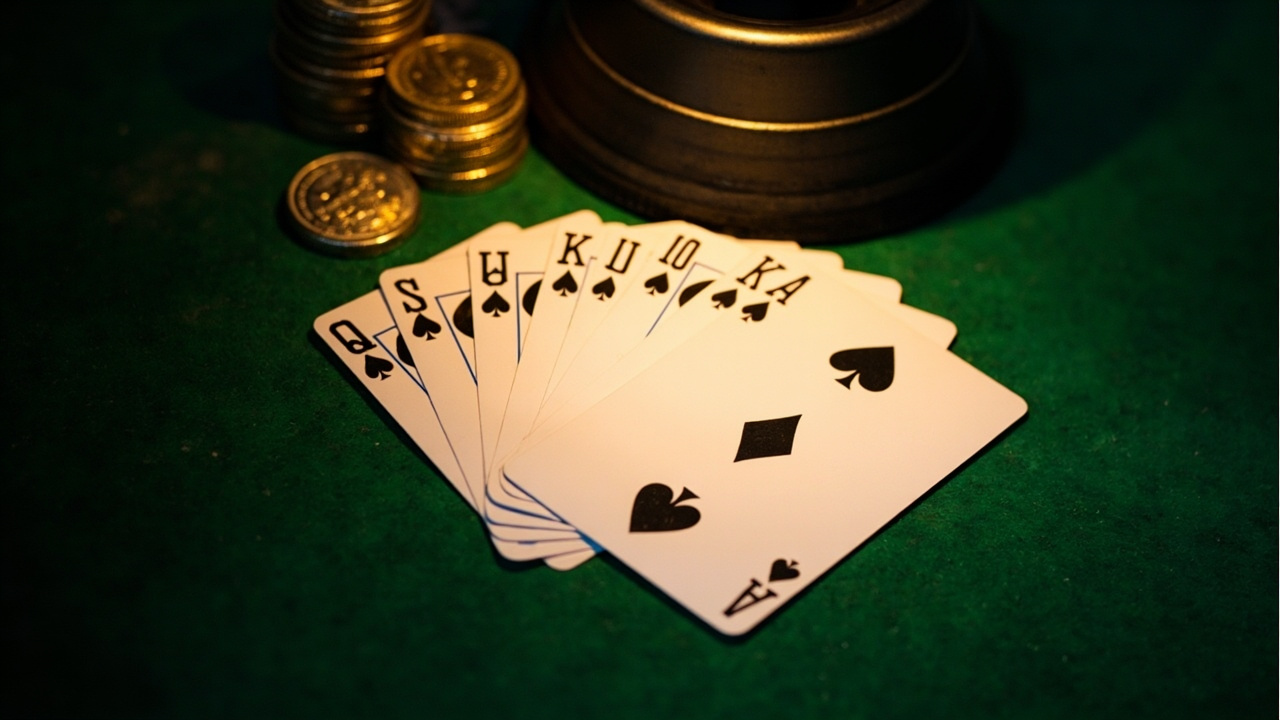
Quick-spin mechanics compress the normal session rhythm, so the underlying volatility and hit-frequency need to match the visual pacing. When a title runs a fast re-spin loop, I reckon the art direction has to stay readable at speed or players lose the thread of the bonus trigger. A well-built quick-spin pokie keeps symbols distinct, animations tight and the paytable obvious, because a cluttered screen punishes fast decision-making. The return-to-player figure is only useful when the variance is described honestly alongside it, since a 96 per cent RTP with wide swings feels very different from a steadier 94 per cent line.
I’ve sat through enough build reviews to know that a pretty theme can mask a muddy maths model, and that is where a careful rtp quick spin pokies guide earns its keep. A strong title aligns the bonus buy or free-spin entry with a clear risk profile, so the player understands whether they are chasing frequent small returns or a thinner, higher-ceiling path. The best commercial designs do not overpromise on the paint; they keep the symbols legible, the scatter logic consistent and the spin timing calibrated so the pace never feels rushed for the sake of it. That discipline is what separates a durable game from a flash-in-the-arvo release.
Feature What it means for the session What I look for
RTP range Long-run return expectation Stated clearly, not buried in fine print
Spin cadence How quickly rounds cycle Readable symbols, not just speed
Volatility Width of the result swings Described plainly alongside RTP
Bonus entry Trigger logic for free spins or features Consistent rules, no vague promise
Mobile usability for a Hobart session
A Hobart player might be on a train, at a beachside table or settling in after work, so the mobile fit has to hold up on a small screen without feeling cramped. Responsiveness matters because a quick-spin pokie that looks fine on a desktop can turn into a thumb-friendly mess if the controls are buried or the paylines shift on resize. Performance is the quiet killer here; a title that lags on load or stutters during a bonus sequence breaks the pacing that the maths was built around. Navigation should be obvious, with the balance, bet adjuster and spin button placed where a thumb naturally lands, because awkward placement is a fatigue problem, not a cosmetic one.
I’ve worked with studios where the mobile build was treated as an afterthought and the result was a game that looked sharp in the pitch deck but felt busy as on a phone. A solid mobile-first fit keeps the asset load lean, the animations scaled for smaller displays and the touch targets generous enough for a one-handed session. If you want to compare a few options side by side, https://ozwincasinoreview.net is one place to start, though the real test is whether the game still reads cleanly when you are half-watching the tide and half-chasing a bonus. No worries if the connection is patchy; a well-built title should still feel steady on a modest connection.
Mobile fit check Why it matters Red flag
Responsive layout Keeps controls readable at any size Controls shift or overlap on resize
Load speed Keeps the session flowing Long pauses before each round
Touch targets Supports one-handed play Tiny buttons or crowded tap zones
Animation scaling Preserves clarity on small screens Symbols blur or crowd at speed
Player-fit scenarios for quick-spin pokies
Not every quick-spin pokie suits every player, and that is the point of a useful rtp quick spin pokies guide. A player chasing frequent small wins usually wants a steadier volatility profile and a clear hit rhythm, while someone chasing a bigger bonus ceiling accepts wider swings for a thinner return pattern. I’ve seen commercial teams argue over this exact trade-off, and the honest answer is that the right fit depends on the session goal, not the paint. A conservative session plan keeps bet sizing sensible and treats the RTP as a long-run expectation, not a promise for the next ten minutes.
Mia Carter, Compliance Director, Gold Coast Gaming Network, puts it plainly: “Players should treat RTP as a long-run indication, not a session guarantee, and anyone offering otherwise is overselling the maths.” That caveat matters because quick-spin pacing can make a session feel faster than it really is, which is exactly when bet sizing gets sloppy. Jack Foster, Commercial Director, Eucalypt Digital Advisory, reckons the commercial winners are the titles that keep the risk profile legible rather than hiding it behind a loud theme. Finn Gray, Digital Acquisition Director, Southern Cross Gaming Advisory, adds that retention improves when the game’s pacing matches the player’s expectation instead of fighting it.

Camel racing with betting is popular in parts of the Middle East, and “handicap” or “spread” betting levels mismatched contests, which is a useful analogy here: a quick-spin pokie is not inherently better or worse, it is just a different contest shape. The right player-fit scenario is the one where the volatility, the cadence and the session budget line up, so the experience feels intentional instead of accidental. If you are testing a few titles, treat the first few spins as a read on pacing and clarity, not a verdict on the maths, because the numbers only make sense over time.
